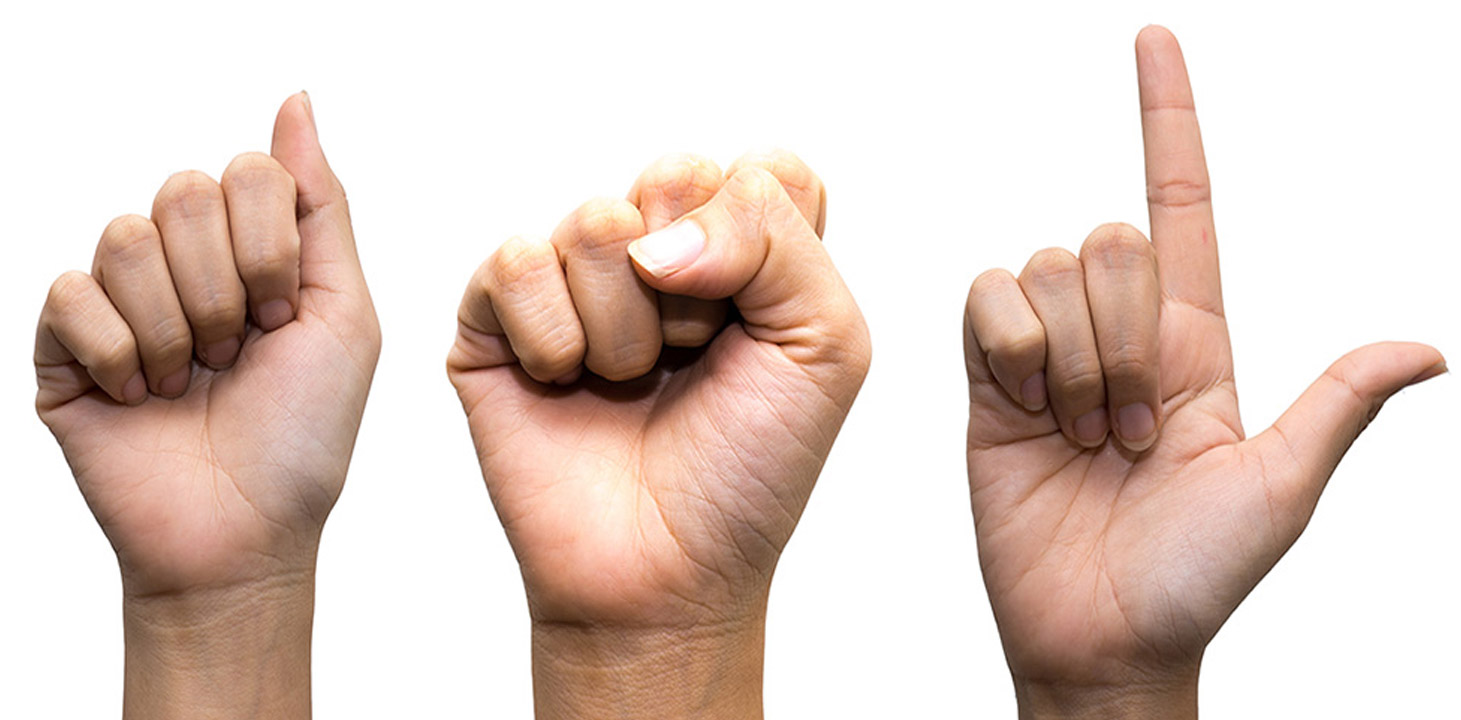
Do you think your voice is only confined to your audible sound? If your voice is the result of physical bodily development and accumulated experience then you are the unique vehicle of your own customized self-communication. Therefore, your gestural nuances are as personalized as the unusual sound of your voice because they are all about you. Now when we think of visual voice here, we reference the phenomena of creating a graphic representation from our voice. What about sign language? If our body is the singular tool, we use to express ourselves to others then the art of sign language has all the nuances and custom expressions that make each person individual. In this article by Olivia Goldhill “Sign language in the US has it’s own accents” she explains,
“People in Philadelphia speak with a distinctive Philly accent, and those who converse in sign language are no different.”1
It seems such a simple idea yet so overlooked or even smirked at to think that sign language has accents. The same learning experience that enhances the audible voice with regional dialects and influences a child when developing language skills is identical in experience to learning sign language.

There are regional signs and gestural movements that are passed on from teacher to student and proliferated in the home, friends, and work sculpting a language. This particular development is partly singular to the person and sprinkled with the culmination of experience from a region, area, and group. So we are influenced and enhanced by our social contact in every way possible not just the audible aspect. So yes sign language has an accent, and… a dialect, cadence, rhythm and much more because it is voice and essentially us expressing our individuality in self.
Read the entire article “American Sign Language has it s own accent in Philadelphia”
1 Goldhill, Olivia. “American Sign Language has it s own accent in Philadelphia” Quartz. 7 December 2015.